

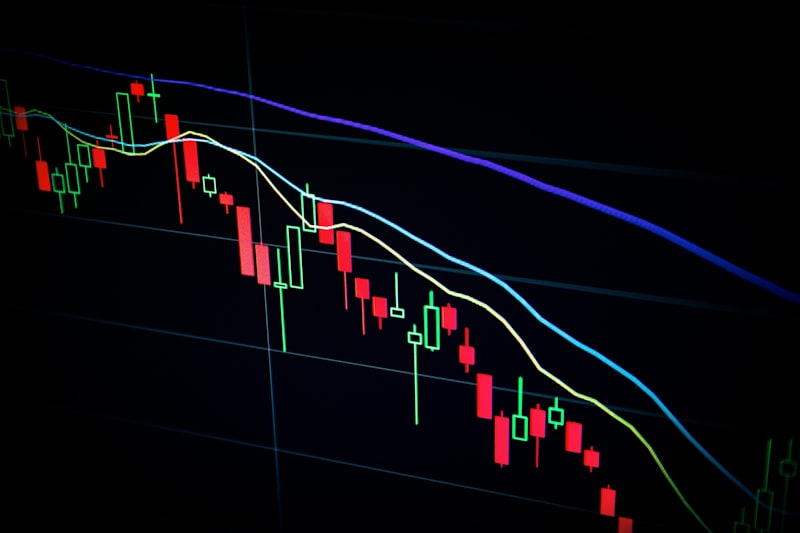

Cryptocurrency went from a niche internet experiment to a $3 trillion asset class in just over a decade. Love it or hate it, crypto is here — and ignoring it completely means missing out on one of the biggest financial shifts of our generation.
- What Is Cryptocurrency?
- Major Cryptocurrencies You Should Know
- Bitcoin (BTC) — The Original
- Ethereum (ETH) — The Platform
- Stablecoins (USDT, USDC) — The Bridge
- Solana (SOL), Cardano (ADA), and Others
- How to Buy Cryptocurrency
- Step 1: Choose a Reputable Exchange
- Step 2: Complete KYC
- Step 3: Deposit Funds
- Step 4: Buy Bitcoin or Ethereum
- Step 5: Move to a Personal Wallet (Optional but Recommended)
- Understanding the Risks
- 1. Extreme Volatility
- 2. Regulatory Uncertainty
- 3. Scams and Frauds
- 4. No Consumer Protection
- 5. Technical Complexity
- A Responsible Crypto Allocation
- Crypto vs Traditional Investments
- Red Flags: How to Spot Crypto Scams
- Tax on Cryptocurrency in India (2026)
- Getting Started Checklist
But here’s the problem: the crypto space is full of scams, hype, and misinformation. Social media “experts” promise 100x returns. Meme coins with no utility pump and crash overnight. And the technical jargon — blockchain, DeFi, staking, gas fees — makes it feel impenetrable.
This guide cuts through the noise. No hype, no moon talk, no financial advice. Just clear, honest information about what cryptocurrency is, how it works, what the risks are, and how to approach it responsibly if you decide to participate.
What Is Cryptocurrency?
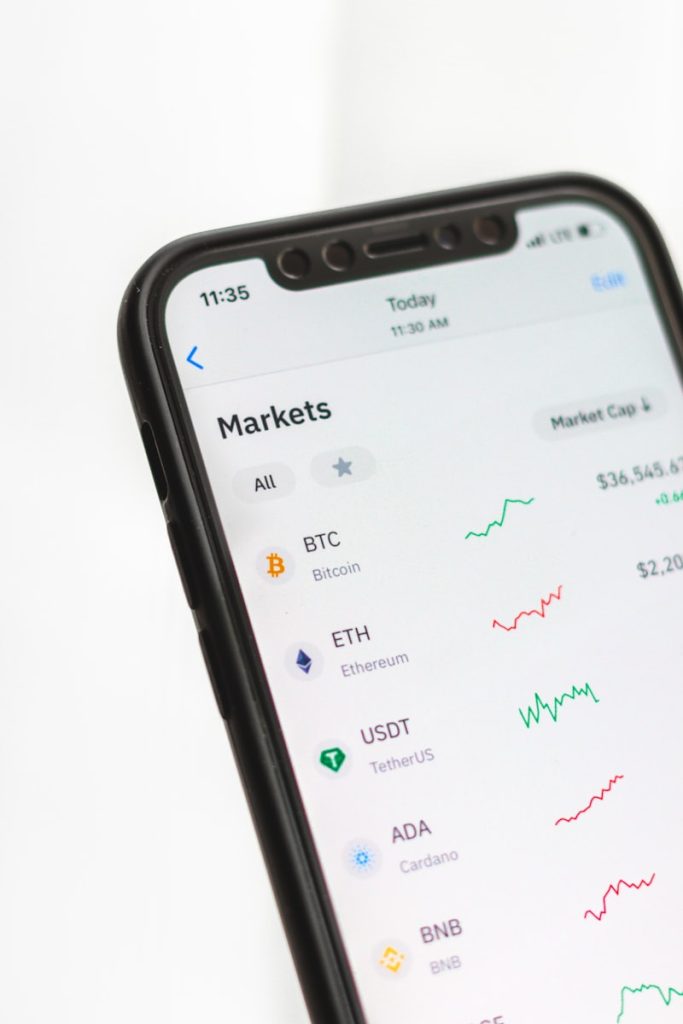
A cryptocurrency is a digital or virtual currency that uses cryptography for security and operates on a decentralized network — meaning no single government or bank controls it. Transactions are recorded on a blockchain, which is essentially a public ledger that anyone can verify but nobody can easily manipulate.
Think of it this way: traditional money relies on banks to verify transactions (“Aman sent ₹1,000 to Priya”). Cryptocurrency replaces the bank with a network of computers that collectively verify and record every transaction on a shared, tamper-proof ledger.
Major Cryptocurrencies You Should Know
Bitcoin (BTC) — The Original
Created in 2009 by the pseudonymous Satoshi Nakamoto. Bitcoin is digital gold — a store of value with a fixed supply of 21 million coins. It’s the most established, most valuable, and most widely accepted cryptocurrency.
- Market cap: ~$1.5+ trillion
- Purpose: Store of value, digital gold, payment network
- Risk level: High (but lowest among cryptocurrencies)
Ethereum (ETH) — The Platform
Created in 2015 by Vitalik Buterin. Ethereum is not just a currency — it’s a platform for building decentralized applications (dApps) and smart contracts. Most of the crypto ecosystem runs on Ethereum.
- Market cap: ~$300+ billion
- Purpose: Smart contracts, DeFi, NFTs, dApp platform
- Risk level: High
Stablecoins (USDT, USDC) — The Bridge
Cryptocurrencies pegged 1:1 to the US dollar. Used for trading, transfers, and as a “safe harbor” during market volatility. Not an investment — more like a digital dollar.
Solana (SOL), Cardano (ADA), and Others
Alternative blockchain platforms competing with Ethereum on speed, cost, or features. Higher risk, higher potential reward, but less proven than Bitcoin and Ethereum.
How to Buy Cryptocurrency
Step 1: Choose a Reputable Exchange
India: CoinDCX, WazirX, CoinSwitch — SEBI-registered, INR deposits, KYC required.
USA: Coinbase, Kraken, Gemini — regulated, insured, FDIC-protected USD deposits.
International: Binance (not available in USA/India), Bybit, OKX.
Step 2: Complete KYC
PAN card + Aadhaar (India) or SSN + ID (USA). Most exchanges complete verification in 10-30 minutes.
Step 3: Deposit Funds
Transfer INR/USD from your bank account to the exchange. UPI works on most Indian exchanges. Bank transfer (ACH/wire) on US exchanges.
Step 4: Buy Bitcoin or Ethereum
Start with the two biggest cryptocurrencies. You can buy fractions — you don’t need ₹50 lakhs to buy one Bitcoin. ₹500 buys a tiny fraction.
Step 5: Move to a Personal Wallet (Optional but Recommended)
For small amounts, leaving crypto on the exchange is fine. For larger holdings, transfer to a hardware wallet (Ledger, Trezor) for maximum security.
Understanding the Risks

Crypto is the highest-risk investment class. Before you invest a single rupee, understand these risks:
1. Extreme Volatility
Bitcoin has dropped 50-80% multiple times in its history. In 2022, Bitcoin fell from $69,000 to $16,000. If you can’t handle seeing your portfolio drop 50% in a few months, crypto is not for you.
2. Regulatory Uncertainty
India has imposed 30% tax on crypto gains + 1% TDS on transactions. The government could ban or severely restrict crypto at any time. The US SEC has been aggressively cracking down on crypto exchanges and tokens.
3. Scams and Frauds
- Rug pulls — Developers create a token, hype it up, then vanish with investors’ money
- Phishing — Fake websites/apps that steal your wallet credentials
- Pump and dumps — Influencers hype a coin, sell when it pumps, retail investors are left holding bags
- Fake exchanges — Apps that look real but steal your deposits
4. No Consumer Protection
Unlike bank accounts (insured up to ₹5 lakhs in India, $250K in USA), crypto has no insurance. If an exchange gets hacked or goes bankrupt (like FTX in 2022), your money could be gone forever.
5. Technical Complexity
Sending crypto to the wrong address = permanent loss. Forgetting your wallet password = permanent loss. There’s no “forgot password” button in crypto.
A Responsible Crypto Allocation
If you decide to invest in crypto, here’s how to do it responsibly:
- Only invest what you can afford to lose completely — This is not hyperbole. Treat crypto money as “entertainment spending,” not savings.
- Limit to 2-5% of your total portfolio — If your total investments are ₹10 lakhs, crypto should be ₹20,000-50,000 maximum.
- Stick with Bitcoin and Ethereum — These have the longest track records, largest market caps, and lowest risk within crypto.
- Use SIP / DCA (Dollar Cost Averaging) — Invest a fixed amount monthly instead of lump sums. This smooths out volatility.
- Hold for 5+ years — Short-term crypto trading is gambling. Long-term holding has historically been rewarded.
Crypto vs Traditional Investments
| Feature | Index Funds | Bitcoin |
|---|---|---|
| Historical Returns | 11-14%/year | ~50%/year (but extreme volatility) |
| Max Drawdown | -40 to -50% | -75 to -80% |
| Regulation | SEBI/SEC regulated | Largely unregulated |
| Insurance | Yes (up to limits) | No |
| Track Record | 50+ years | ~15 years |
| Tax Treatment | Standard capital gains | 30% flat + 1% TDS (India) |
Red Flags: How to Spot Crypto Scams
- “Guaranteed returns” — No legitimate investment guarantees returns. If someone promises 10% monthly, it’s a scam.
- “Act now or miss out” — FOMO is the scammer’s best friend. Legitimate investments don’t have expiration dates.
- Anonymous teams — If you can’t find the real people behind a project, don’t invest.
- Celebrity endorsements — Paid promotions, not financial advice. Multiple celebrities have been fined for undisclosed crypto promotions.
- Complex referral structures — If it looks like a pyramid scheme, it is one.
- No whitepaper or technical documentation — Serious projects publish detailed technical docs. Scams don’t.
Tax on Cryptocurrency in India (2026)
- Capital gains tax: 30% flat rate on all crypto profits (no slab benefit)
- TDS: 1% deducted at source on every crypto transaction above ₹10,000
- No offsetting losses: You cannot offset crypto losses against crypto gains or any other income
- No deduction for expenses: Mining costs, internet bills, etc. cannot be deducted
Compared to equity mutual funds (12.5% LTCG above ₹1.25 lakh), crypto is taxed at 30% with no exemptions. Factor this into your return expectations — a 20% crypto gain becomes only 14% after tax.
Getting Started Checklist
- Understand the risks — crypto can go to zero
- Complete your emergency fund, insurance, and core investments FIRST
- Allocate no more than 2-5% of your portfolio to crypto
- Choose a reputable, regulated exchange
- Complete KYC and enable 2FA security
- Start with Bitcoin (70-80% of crypto allocation) and Ethereum (20-30%)
- Use SIP/DCA — invest fixed amounts monthly
- Store larger holdings in a hardware wallet
- Hold for 5+ years — don’t day trade
- Report all gains and pay taxes honestly
Cryptocurrency is an exciting but risky frontier. Approach it with curiosity, caution, and the understanding that your core financial plan should never depend on crypto returns.
Disclaimer: This article is for educational purposes only and does not constitute financial advice. Cryptocurrency investments are highly volatile and risky. Always do your own research and consult a certified financial advisor before investing.